


Filmmaking Insights: Bendita Filmes' Deep Dive
In today's evolving landscape of visual storytelling, the ability to look beyond the surface of a film or documentary is an indispensable tool for anyone immersed in the audiovisual industry. For us at Bendita Filmes, analyzing a work is akin to dismantling a Swiss watch: we admire the final beauty, but the true learning lies in understanding every gear, every technical and conceptual choice that made it function.
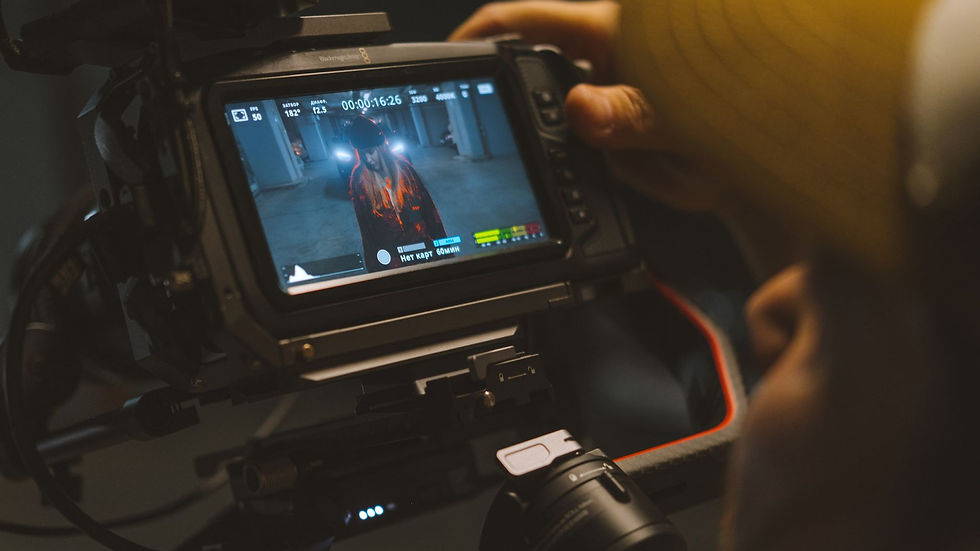
Foto de Yaroslav Shuraev no Pexels
The Producer's Perspective: From Concept to Execution
When we watch a film or documentary, our producer's eye doesn't stop at the plot or the acting. We seek to identify the 'whys' behind the decisions. Why this specific soundtrack? What were the challenges of capturing that shot on a documentary set under adverse conditions? How was the narrative constructed to generate the desired impact on the audience?
Recently, we've followed discussions around works that premiered at festivals like Telluride and Venice. We saw documentaries such as 'The Illusion of an Everlasting Summer,' which portrays time and the relationship between two Argentine cousins, and Eleanor Coppola's 'Making Marie Antoinette,' a touching dive into the creation of her daughter Sofia. What these works teach us, practically, is the importance of patience in documentary storytelling. It's not just about recording; it's about shaping raw material into a meaningful experience. A common pitfall, especially for beginners, is the temptation to rush the editing process, missing the opportunity to let the images breathe and emotions develop naturally.
The Editing Trade-off: Pace and Emotion
It's like brewing a great coffee: rushing can ruin the flavor. In documentary productions, especially those focusing on intimate portraits or long periods, the editing pace is crucial. A cut that's too fast can steal the depth from an emotion, while a pace that's too slow can cause the viewer to lose interest. The art lies in finding that balance, which often requires a deep understanding of the material and the work's objectives. A generic online tutorial can teach you how to use editing software, but it won't tell you the exact moment to hold a scene or accelerate a transition to maximize emotional impact.
Innovations and References: Cinema in Evolution
Critical analysis also allows us to identify how filmmakers are reinventing genres and exploring new languages. We've observed, for instance, how filmmakers have influenced contemporary cinema, challenging conventions. We see this reinvention on various fronts, from feminist folk horror in films to thrillers that explore the thin line between reality and fiction.
For those of us working in Brazilian audiovisual production, contextualizing these international trends is vital. How could an approach similar to these international examples be applied here, exploring Brazil's rich myths and social realities? What aspects of Brazilian animation can dialogue with innovations seen elsewhere in the world?
Independent Cinema and the Power of Authorial Voice
Independent cinema, in particular, is fertile ground for observing boldness and originality. Films that unfold into personal journeys celebrate music and reconciliation, demonstrating that concert documentaries can be more than just concert recordings; they can be stories of overcoming adversity and forgiveness. This is a valuable lesson for any producer aiming to create content with soul and purpose.
Behind the Scenes: What Tutorials Don't Tell You
The real learning often lies in the 'behind-the-scenes' aspects that superficial analyses miss. A practical example we experienced: on an independent short film project, we had to choose between cutting-edge camera equipment that would give us stunning visuals but at a high rental cost, or a more modest option that would allow us to invest more in art direction and costume design – elements crucial for our desired aesthetic. We opted for investing in art direction, understanding that, in that specific context, the visual strength built by the art department would be more impactful and distinctive than the superior technical quality of a camera. This is the kind of trade-off rarely found in generic video production guides.
Analyzing works, therefore, is not an academic exercise but a practical tool. It's about understanding the choices, challenges, and triumphs that shape audiovisual content. It's about learning from masters and emerging talents, applying that knowledge to create our own narratives with the experience and unique perspective of the Brazilian market.
About Bendita Filmes
Bendita Filmes is a full-service video production company and agency based in São Paulo, Brazil, specializing in:
Corporate Videos · YouTube Production · Instagram & TikTok · Advertising Campaigns · Event Filming · VFX & Animation · Live Streaming · AI Video Production · Photography


